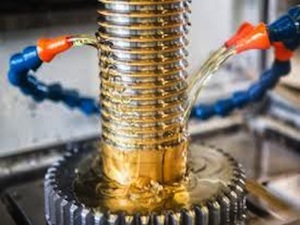
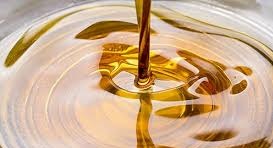

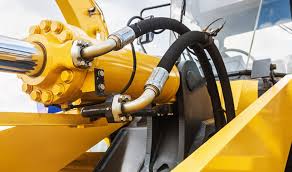
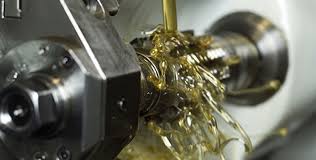
Hydraulic oil, like other oils, is produced from a mixture of base oils and additives, which can have different applications in different systems depending on the type of base oil and additives.
Product Images
Hydraulic oil
Hydraulic oil can be called the most versatile industrial oil, and therefore this product has a high degree of versatility due to its high consumption and diverse applications and working conditions. In fact, hydraulic oil plays the role of energy carrier in a system, and if this oil fails, this task is not done properly and the system faces malfunction or shutdown.
Generally, hydraulic oils are divided into the following quality levels according to ISO 6743:
- HH: mineral base oil without additives. This was the first generation of hydraulic oils.
- HL: By adding anti-rust and anti-oxidation additives, a new generation of these oils was created, which is also called circulating oils.
- HM: By adding anti-wear additives to HL oils, new hydraulic oils were produced, which are currently the most widely used hydraulic oils.
- HV: By raising the viscosity index of HM hydraulic oils, this quality level was achieved, which are suitable for working in a wide temperature range.
- HG: These oils, which are known as machine tool hydraulic oil, are not thrown out of the system in reciprocating sliding systems due to their stickiness.
This classification of quality levels is one of the most well-known classifications of hydraulic oils, but other standards have also been defined in hydraulic oils, which can be called sub-standards:
DIN 51524, Cetop RP 91 H, Afnor NFE, Cincinati Milacron, …
The main functions expected of a hydraulic oil are psychological, force transmission, friction and friction reduction, corrosion protection of system components and compatibility with all system components.
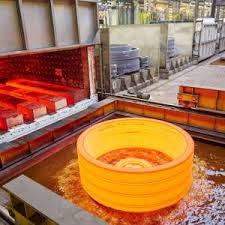
There is another class of hydraulic oils known as fire-resistant hydraulic fluid oils. This does not mean that these fluids do not ignite in the vicinity of a fire, but they ignite later in the vicinity of a fire and resist the spread of flame. These oils are usually used in places where there is a high probability of fire (such as the door of metal smelting furnaces).
These oils are also divided into four main categories:
- HFA: oil-in-water emulsions
- HFB: water-in-oil emulsion
- HFC: glycol water fluid
- HFD: synthetic fluids
The point
What should be taken into account when working with hydraulic oils is that hydraulic oils such as turbine blades are highly sensitive to the contaminants they are exposed to and their physical and chemical properties will be affected by pollution and harsh working conditions for the oil. Also, when choosing the oil for the hydraulic system, by using the advice of psychological experts, choose the right oil and by taking care of practical cases and tips for consumption, replacement, processing and most importantly the care of the condition (CM) of the oil, you can help extend its life and health properties and ultimately achieve the optimal result of reducing psychological costs.